

- cross-posted to:
- linux@programming.dev
- cross-posted to:
- linux@programming.dev
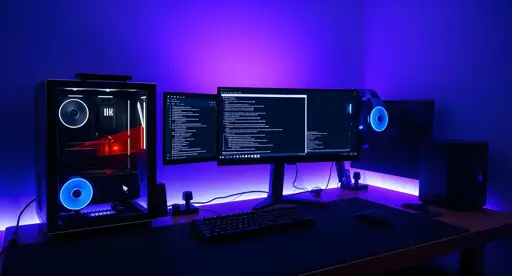
I’ve been using Linux for years, but as the proprietary alternatives get more aggressive with telemetry and adverts, I wanted to document the choices that actually keep my desktop predictable.
This isn’t a manual, but a practical overview of my setup. From why I’ve settled on CachyOS and KDE Plasma for my main rig, to the reality of dealing with proprietary software and app compatibility in 2026. It’s just an honest look at the transition and why I’m done with the corporate defaults.
Yes, unstructured. Every script is its own special snowflake that does things a bit differently.
There’s no guarantee of the verbs that the script implements. start, stop and restart are common, but the implementation is up to each individual script. I’m most familiar with Debian where some service (but not all) implemented it with
start-stop-daemon, but other distros and OSes handled it differently.Basic, commonly needed functionality, like restarting a crashed service after waiting for some delay, need to be implemented per app.
When sysvinit was widespread, there was a reason a lot of people used systems line supervisord to deploy services, rather than dealing with sysvinit scripts. It was a pain.
Systemd units were a logical progression from supervisord services.